Decoding Symbols in Modern Architectural Visuals
- cort715
- May 9
- 3 min read
Architecture is more than just the construction of buildings; it is a language that communicates ideas, emotions, and cultural values. In the realm of modern architectural visuals, symbols play a crucial role in conveying messages that resonate with both the creator and the observer. This blog post will explore the significance of symbols in architectural visuals, how they shape our understanding of space, and the impact they have on our experiences within those spaces.
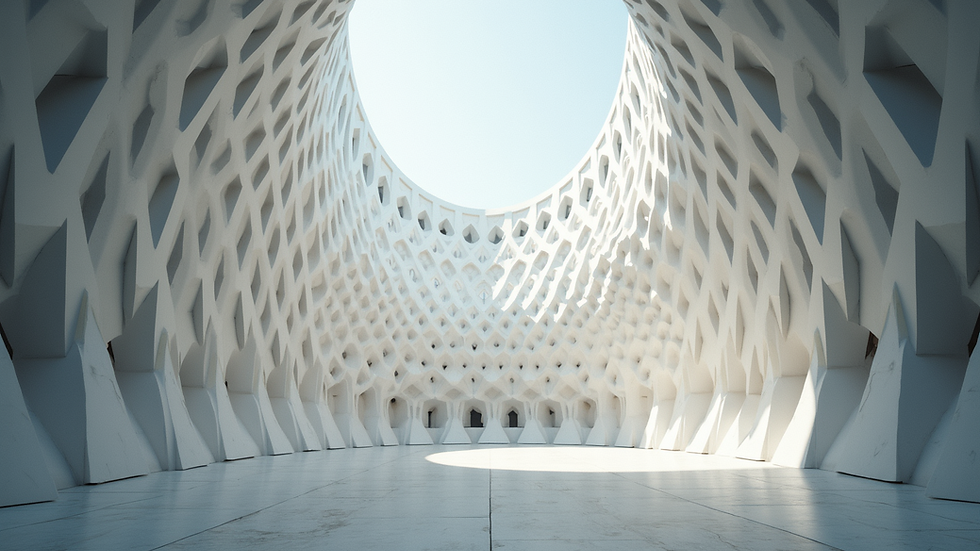
Understanding Symbols in Architecture
Symbols in architecture can be defined as visual representations that convey deeper meanings beyond their physical forms. They can be found in various elements, including:
Shapes and Forms: The use of geometric shapes can symbolize stability, harmony, or chaos. For instance, a circle often represents unity, while sharp angles may convey tension.
Materials: Different materials can evoke specific feelings or associations. For example, glass may symbolize transparency and openness, while concrete can represent strength and permanence.
Colors: Colors have psychological effects and can influence emotions. Blue often symbolizes calmness, while red can evoke passion or urgency.
The Role of Cultural Context
The interpretation of symbols is heavily influenced by cultural context. What may be a positive symbol in one culture could be perceived negatively in another. For example, in Western cultures, a dove often symbolizes peace, while in some Eastern cultures, it may represent a messenger of death. Understanding these cultural nuances is essential for architects and designers to communicate effectively through their visuals.
The Evolution of Architectural Symbols
Throughout history, architectural symbols have evolved alongside societal changes. In ancient times, structures were often adorned with symbols that represented deities or cultural beliefs. For example, the pyramids of Egypt were not just tombs; they were symbols of the afterlife and the divine.
In contrast, modern architecture often embraces minimalism and functionality. However, this does not mean that symbols have disappeared. Instead, they have transformed. Contemporary architects may use abstract forms or innovative materials to convey messages about sustainability, technology, or community.
Case Study: The Sydney Opera House
The Sydney Opera House is a prime example of how symbols can be integrated into architectural design. Its sail-like structure symbolizes the maritime culture of Sydney and represents the idea of movement and creativity. The building's unique form has become an iconic symbol of Australia, showcasing how architecture can embody cultural identity.
The Impact of Symbols on User Experience
Symbols in architectural visuals significantly influence how individuals interact with and perceive spaces. They can evoke emotions, create connections, and enhance the overall experience. Here are some ways symbols impact user experience:
Creating a Sense of Place
Symbols help establish a sense of place by connecting individuals to their surroundings. For instance, a building that incorporates local materials and design elements can evoke a sense of belonging and pride within the community. This connection fosters a deeper appreciation for the space and its significance.
Guiding Navigation
Architectural symbols can also serve practical purposes, such as guiding navigation. Clear signage, distinct shapes, and recognizable patterns can help individuals orient themselves within a space. For example, a building with a unique façade may serve as a landmark, making it easier for people to find their way.
Evoking Emotions
The emotional impact of symbols cannot be underestimated. A well-designed space can evoke feelings of comfort, inspiration, or awe. For example, a library with high ceilings and ample natural light may inspire creativity and focus, while a cozy café with warm colors and soft textures can create a sense of relaxation.
The Future of Symbols in Architectural Visuals
As technology continues to advance, the way we perceive and utilize symbols in architecture is also changing. Virtual reality (VR) and augmented reality (AR) are opening new avenues for architects to experiment with symbols and their meanings. These technologies allow for immersive experiences where users can interact with architectural visuals in real-time, enhancing their understanding and emotional connection to the space.
Sustainability as a Symbol
In recent years, sustainability has emerged as a powerful symbol in architecture. Buildings designed with eco-friendly materials and energy-efficient systems not only reduce environmental impact but also symbolize a commitment to a sustainable future. This shift reflects a growing awareness of the importance of environmental stewardship in architectural design.
Conclusion
Decoding symbols in modern architectural visuals reveals a rich tapestry of meanings that shape our experiences within spaces. From cultural influences to emotional connections, symbols play a vital role in how we perceive and interact with architecture. As we move forward, the integration of technology and sustainability will continue to redefine the symbols we use, creating new opportunities for architects to communicate their visions.
Understanding these symbols not only enhances our appreciation of architecture but also encourages us to engage more deeply with the spaces we inhabit. As you explore your surroundings, take a moment to observe the symbols at play and consider the stories they tell.


Comments